

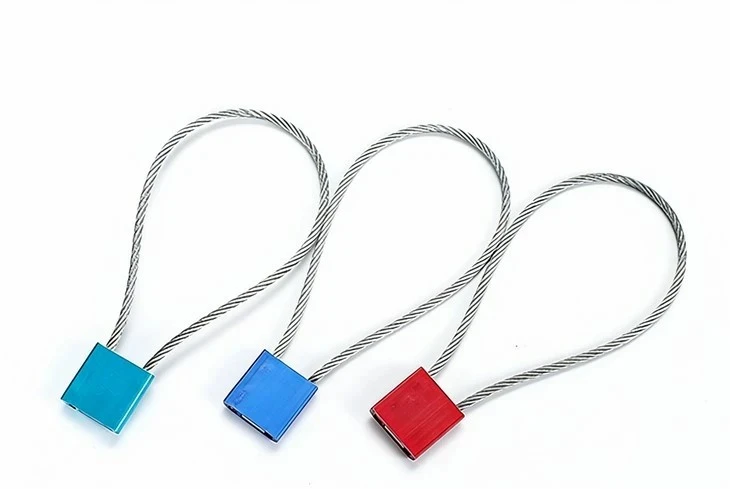
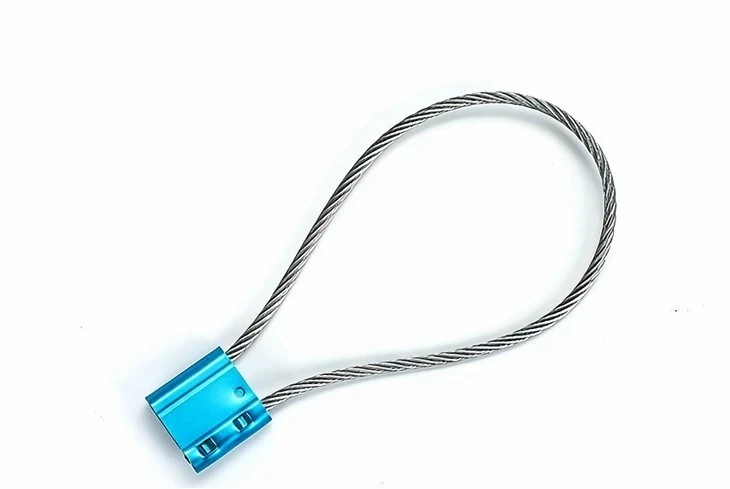
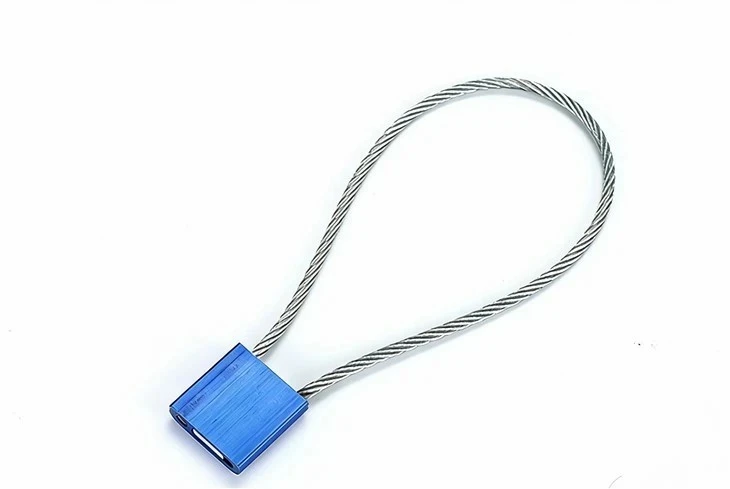
In international logistics, a security seal serves two functions at the same time: protecting cargo from unauthorized access and supporting compliance requirements during customs inspections.
For importers, freight forwarders, and container operators, a damaged seal, unreadable serial number, or non-compliant locking device can result in additional inspections, shipment delays, and disputes over cargo integrity.
Our High Security Cable Seals are designed for containerized cargo moving through ports, rail terminals, inland depots, and international borders where seal integrity and traceability are essential.
Manufactured according to ISO 17712:2013 High Security requirements, these seals combine mechanical strength, visible tamper evidence, and unique identification to support modern cargo security programs.
Technical Specifications
|
Specification |
Details |
|
Seal Classification |
High Security Cable Seal |
|
Certification |
ISO 17712:2013 High Security (H) |
|
Customs Programs |
Suitable for C-TPAT and similar supply chain security programs |
|
Cable Material |
Non-preformed galvanized steel cable |
|
Lock Body Material |
Zinc alloy |
|
Cable Diameter |
5.0 mm (High Security) / 3.5 mm (Security Level) |
|
Identification |
Laser engraved serial number |
|
Optional Marking |
Logo, barcode, QR code |
|
Removal Method |
Bolt cutter or cable cutter |
|
Operating Temperature |
-40°C to 110°C |
Key Advantages
Designed for Customs and Border Compliance
The 5.0 mm version is designed for applications where high security classification is required, including:
Ocean freight containers
Cross-border trucking operations
Rail freight transport
Bonded cargo movements
Customs supervised shipments
Using certified seals helps reduce the risk of non-compliance issues caused by damaged, substituted, or inappropriate seals.
Visible Tamper Evidence
The cable is manufactured from non-preformed galvanized steel wire.
When cut, the individual strands separate and spread apart rather than remaining in a compact bundle. This makes attempts to restore the original appearance of the cable immediately visible during inspection.
This characteristic is one of the reasons why non-preformed cable is widely used in high security transport applications.
One-Way Locking Mechanism
The internal locking components allow the cable to move in only one direction.
Once tightened, the loop cannot be loosened or reopened without cutting the cable or damaging the lock body.
The mechanism is designed for single-use operation and destructive removal.
Permanent Identification and Traceability
Serial number duplication creates significant operational risks for logistics providers and distributors, particularly when seals are used for audit trails or cargo investigations.
Each seal is permanently laser marked with a unique identification number generated under controlled serialization procedures.
Optional marking options include:
Sequential numbering
Company logo
Barcode
QR code
Laser engraving remains readable after exposure to moisture, abrasion, and long-distance transport conditions.
Suitable for Marine and Inland Transport Conditions
Container seals are routinely exposed to:
Salt spray
Rain and humidity
Dust contamination
Continuous vibration
Seasonal temperature variations
The combination of galvanized cable and zinc alloy lock body provides corrosion resistance suitable for long transport cycles and outdoor storage environments.
Choosing the Correct Cable Diameter
5.0 mm Cable Seal
Recommended when:
ISO 17712 certification is required.
Containers move through international borders.
Cargo value justifies higher security classification.
Customers require compliance with C-TPAT security procedures.
3.5 mm Cable Seal
Recommended when:
Customs certification is not required.
Faster removal is preferred.
The application requires a medium security level.
Domestic transport is the primary use case.
Typical Applications
- Shipping containers
- Truck trailers
- Rail freight wagons
- Tank containers
- Distribution centers
- Bonded warehouses
- High-value cargo shipments
- Intermodal transport operations
OEM and Distributor Services
For distributors and long-term supply contracts, consistency is often more important than the lowest purchase price. Available services include:
- Customer logo engraving
- Barcode and QR code generation
- Sequential packaging
- Private label packaging
- Controlled numbering allocation
- Archived serialization records
Serialization archives help prevent duplicate numbering across repeat orders placed over multiple years.
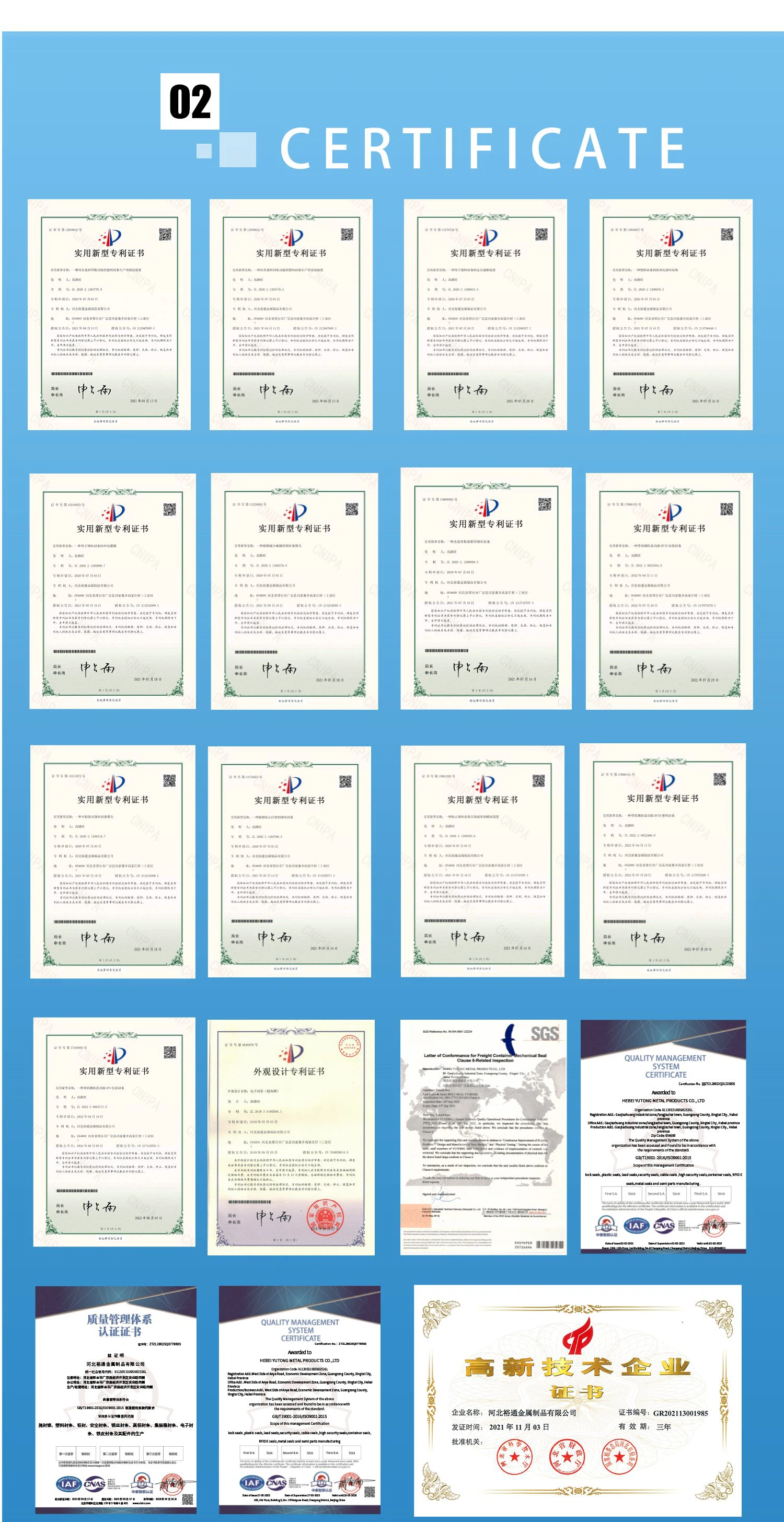
Certificate
FAQ
Hot Tags: high security cable seals for containers, China high security cable seals for containers manufacturers, suppliers, factory


