
Security Seals
1. Definition
Security seals (commonly known as lead seals) are one-time tamper-evident devices. Despite the traditional name, modern versions rarely contain lead. Once secured, any unauthorized opening will cause permanent damage to the seal, offering visible proof of tampering. They enable traceability and supervision for cargo and metering equipment. Note that they are not heavy-duty locks; their core function is visual tamper indication and traceability.
2. Main Product Categories
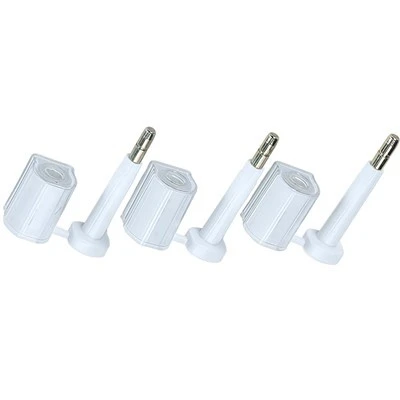
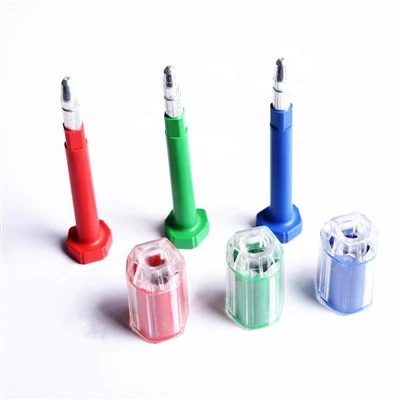
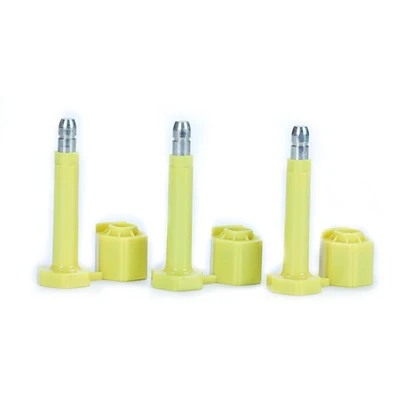
Bolt Seals (H-high security grade) Compliant with ISO 17712 H-grade standard. Constructed with steel bolts, these seals resist shearing and rotation and can only be removed by cutting tools. Widely used for ocean containers, tank trucks, high-value cross-border shipments and customs-controlled containers, they are the top choice for full-container export shipments. Each seal carries a unique laser-engraved serial number and barcode, which must be recorded on the bill of lading.
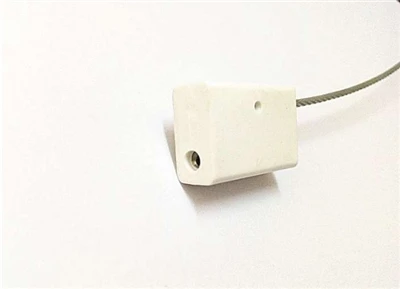
Cable Seals (S-security grade) Featuring high-tensile steel cable and an ABS lock head, these are self-locking single-use seals with customizable cable lengths. Suitable for box trucks, tank valves, containers and large equipment, they deliver superior tensile strength compared to plastic seals.
Pull-tight Plastic Seals (I-indicative grade) Self-locking PP plastic strap seals with low cost, multiple color options and easy number marking. Commonly applied to parcels, turnover bins, luggage and general bulk cargo. They only indicate potential opening attempts and have limited resistance against deliberate tampering.
Meter Seals (Button Seals / Lead Blanks) Traditional lead blanks and alloy seals, crimped with seal pliers. Deployed on electricity, water and gas meters for commercial metering. Regulated by metering legislation, these statutory seals prevent unauthorized alteration of metering devices.
Electronic Seals Built on mechanical seals with integrated NFC/RFID chips and paired with management systems. They support remote identification and timestamping of sealing and unsealing events, ideal for smart logistics, hazardous material transport and power metering.
3. Industry Applications
Cross-border logistics & customs: Containers, box trucks and bonded goods. Customs seals are legally protected and must not be damaged without authorization.
Public utility metering: Seals for electric, water and gas meters to ensure fair commercial measurement.
Petrochemical sector: Sealing for tank trucks, valves and hazardous chemical containers.
Other uses: Bank cash boxes, medical samples, airline trolleys, warehouse stock and cold chain boxes.
4. Key Industry Standards
ISO 17712: International standard for mechanical freight seals, classifying seals into three grades: H (high security), S (security), I (indicative). Mandatory reference for export containers.
DL/T 448: Code for seal management of electric energy metering devices.
Domestic metering regulations: Qualified seals are required for commercial metering instruments.
5. Operation & Management Guidelines
Security seals are single-use consumables. Full records must be kept for procurement, issuance, sealing, verification and disposal. Upon receipt, inspect seal integrity and verify serial numbers against documents. Broken, deformed or mismatched seals indicate possible tampering in transit; photos should be taken as evidence.