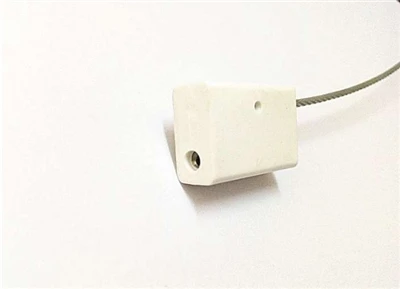
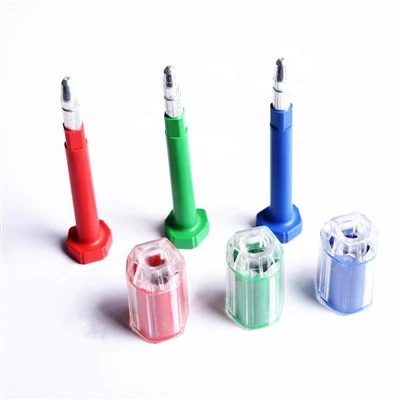
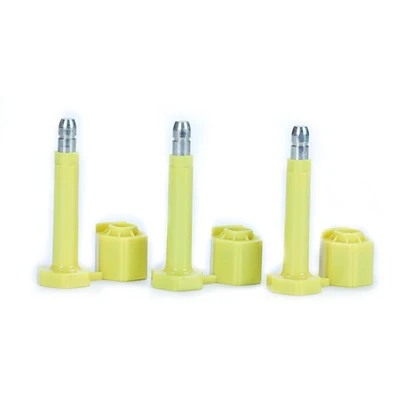
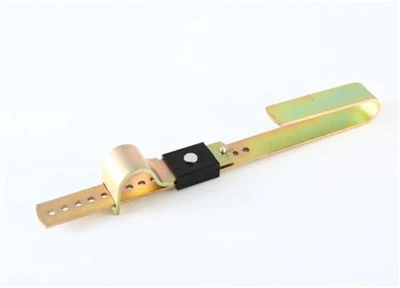
In the evolving landscape of security and logistics, metal cable seals have emerged as a pivotal component in ensuring the integrity and safety of goods during transportation and storage. These seals, known for their robustness and reliability, are increasingly recommended by industry experts and security professionals to prevent tampering and unauthorized access.
Metal cable seals are composed of high-strength steel cables, often coated with protective materials to resist corrosion and environmental damage. Their design includes a locking mechanism that is tamper-evident, meaning any attempt to break or manipulate the seal is immediately noticeable. This feature is particularly critical for industries such as shipping, logistics, rail transportation, and customs, where the protection of cargo is paramount.
Recent advancements in metal cable seal technology have focused on enhancing durability and customization options. Manufacturers are now able to provide seals with unique identification numbers, barcodes, or QR codes, allowing for improved tracking and inventory management. Additionally, some seals incorporate RFID technology, enabling digital monitoring and real-time status updates, thereby increasing operational efficiency and security oversight.
The recommended use of metal cable seals extends beyond mere cargo protection. They are employed to secure containers, trailers, utility meters, and even valuable equipment in industries ranging from energy to pharmaceuticals. Their application helps to meet stringent regulatory requirements and reduces the risk of theft, fraud, and contamination.
Experts emphasize that choosing the right metal cable seal depends on various factors, including the level of security required, environmental conditions, and operational needs. For instance, longer or thicker cables may be necessary for oversized cargo or rough handling scenarios, while seals with advanced identification features are vital for high-value shipments.
In summary, metal cable seals represent a critical security tool that combines strength, visibility, and technological integration. Their adoption, as widely recommended in recent industry reports, aids in safeguarding assets, enhancing supply chain transparency, and complying with global security standards. As the demand for secure and efficient logistics solutions grows, metal cable seals will continue to play a significant role in protecting goods worldwide.

 English
- English
- Français
- Deutsch
- 日本語
- Italiano
- Español
- Português
- русский
- हिंदी
- عربي
- Ελληνικά
- Norsk
- Kreyòl Ayisyen
- dansk
- Български
- hrvatski
- România limbi
- magyar
- Malti
- עברית
- 한국어
- Cymraeg
- Türkçe
- Việt Nam
- Polski
- Gaeilgenah Éireann
- ไทย
- українська
- Svenska
- Nederlands
- Eesti
- bosanski
- Català
- اردو
- Melayu
- slovenčina
- Indonesia
- slovenščina
- Latviešu
- Lietuvių
- فارسی
- Bai Miaowen
- suomi
- Čeština
- বাংলা
- íslenska