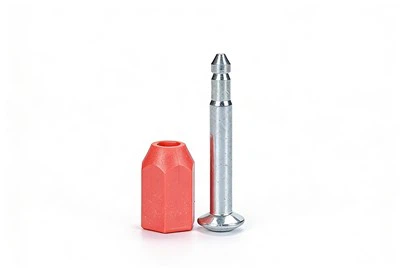


Can wire tamper seals be used for sealing mailboxes?
In today's world, where security is of utmost importance, finding effective ways to safeguard our belongings and sensitive information is crucial. One area where security is often a concern is the protection of mailboxes. With the increasing number of mail thefts and tampering incidents, many people are looking for reliable solutions to secure their mail. One such solution that has gained popularity is the use of wire tamper seals. As a wire tamper seals supplier, I am often asked whether these seals can be used for sealing mailboxes. In this blog post, I will explore this question in detail and provide you with all the information you need to make an informed decision.
Understanding Wire Tamper Seals
Before we delve into the suitability of wire tamper seals for mailboxes, let's first understand what they are and how they work. Wire tamper seals are security devices designed to provide evidence of tampering. They typically consist of a wire or cable that is inserted through the item to be sealed and then locked in place using a unique locking mechanism. Once the seal is applied, any attempt to remove or tamper with it will leave visible signs, such as broken wires or damaged seals. This makes it easy to detect if a mailbox has been accessed without authorization.
Advantages of Using Wire Tamper Seals for Mailboxes
There are several advantages to using wire tamper seals for sealing mailboxes. Firstly, they provide a high level of security. The visible signs of tampering make it difficult for thieves to access the mailbox without being detected. This acts as a deterrent and reduces the risk of mail theft. Secondly, wire tamper seals are relatively inexpensive and easy to use. They can be quickly applied to the mailbox without the need for any special tools or skills. This makes them a practical solution for both residential and commercial mailbox owners. Thirdly, wire tamper seals come in a variety of colors and designs, allowing you to choose the one that best suits your needs and preferences. For example, you can choose Colored Cable Seals to add a touch of personalization to your mailbox.
Considerations When Using Wire Tamper Seals for Mailboxes
While wire tamper seals offer many benefits, there are also some considerations to keep in mind when using them for mailboxes. Firstly, it is important to ensure that the seal is compatible with the type of mailbox you have. Different mailboxes may have different locking mechanisms or dimensions, so you need to choose a seal that can be easily applied and removed without causing any damage. Secondly, you need to be aware of the local regulations regarding the use of tamper seals on mailboxes. Some areas may have specific rules or restrictions that you need to comply with. Thirdly, you should regularly inspect the seals to ensure that they are still intact and functioning properly. If you notice any signs of tampering or damage, you should replace the seal immediately.
Types of Wire Tamper Seals Suitable for Mailboxes
There are several types of wire tamper seals that are suitable for use on mailboxes. One popular option is the Rope Wire Seal. This type of seal is made of a strong and flexible rope-like wire that can be easily threaded through the mailbox's locking mechanism. It provides a high level of security and is resistant to cutting and pulling. Another option is the Lead Wire Seal. This type of seal is made of a lead alloy that is melted and poured into a mold to form a unique seal. It is often used for high-security applications and provides a tamper-evident seal that is difficult to replicate.
How to Apply Wire Tamper Seals to Mailboxes
Applying wire tamper seals to mailboxes is a relatively simple process. Here are the steps you can follow:
- Choose the Right Seal: Select a wire tamper seal that is compatible with your mailbox. Consider the size, shape, and locking mechanism of the mailbox when making your choice.
- Prepare the Mailbox: Make sure the mailbox is clean and dry before applying the seal. Remove any dirt, debris, or rust from the locking mechanism.
- Thread the Wire: Insert the wire through the mailbox's locking mechanism. Make sure the wire is long enough to allow for easy locking and unlocking.
- Lock the Seal: Once the wire is threaded through the locking mechanism, use the locking tool provided with the seal to lock it in place. Make sure the seal is securely locked and cannot be easily removed.
- Inspect the Seal: After applying the seal, inspect it to ensure that it is intact and functioning properly. Check for any signs of tampering or damage.
Conclusion
In conclusion, wire tamper seals can be an effective solution for sealing mailboxes and providing an extra layer of security. They offer several advantages, including high security, affordability, and ease of use. However, it is important to consider the compatibility of the seal with your mailbox, local regulations, and regular inspection to ensure their effectiveness. By choosing the right type of wire tamper seal and following the proper application procedures, you can significantly reduce the risk of mail theft and tampering.


If you are interested in purchasing wire tamper seals for your mailboxes or have any questions about our products, please feel free to contact us. We are a leading supplier of wire tamper seals and can provide you with high-quality products at competitive prices. Our team of experts is always available to assist you with any inquiries or concerns you may have.
References
- "Security Seals: A Guide to Protecting Your Assets." Security Seal Association.
- "Mailbox Security: Tips and Tricks to Keep Your Mail Safe." US Postal Service.