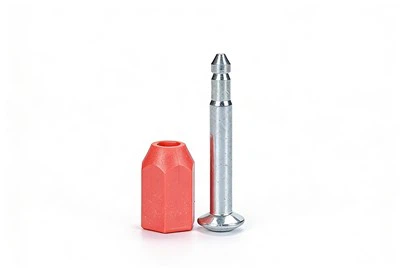


As a seasoned supplier of wire seals, I've witnessed firsthand the diverse needs and concerns of our clients when it comes to securing their valuable assets. One question that frequently arises is how the length of a wire seal affects its security level. In this blog post, I'll delve into this topic, exploring the scientific and practical aspects that link wire seal length to security, all while drawing on the extensive knowledge and experience from my role in the industry.
Understanding the Basics of Wire Seals
Wire seals are mechanical devices used to secure containers, cabinets, and other objects. They typically consist of a wire cable attached to a locking mechanism. Once the wire is threaded through the items to be secured and locked, it can only be removed by cutting the wire. This permanent action leaves visible evidence of tampering, making wire seals a reliable choice for security applications.


There are different types of wire seals, each with its own unique features and applications. For instance, Cable Seals for Containers are designed specifically for use on shipping containers, where they need to withstand harsh environmental conditions and provide high - level security. Rope Wire Seal offers flexibility in application, while Cable Seal Lock is known for its robust locking mechanism.
The Relationship between Length and Security
The length of a wire seal plays a significant role in determining its security level. There are a few key considerations when it comes to this relationship.
Reach and Versatility
A longer wire seal offers greater reach, which can be a huge advantage in certain applications. For example, in large - scale shipping operations, containers may have various locking points that are spaced far apart. A longer wire seal can easily span these distances, allowing for a single seal to secure multiple points. This not only simplifies the sealing process but also reduces the number of potential entry points for tampering.
However, it's important to note that while increased reach can be beneficial, it also comes with some risks. A very long wire may be more difficult to manage during the sealing process. If not properly tensioned, it can sag, creating loops that could potentially be exploited by a determined tamperer.
Resistance to Cutting
The length of the wire also affects its resistance to cutting. In general, a longer wire has a greater surface area exposed to the cutting tool. This can mean that it takes more effort to sever the wire, as the cutter has to work through a larger amount of material.
On the other hand, a longer wire may also be more vulnerable to certain types of cutting techniques. For example, a saw - type cutting tool may be able to make more efficient use of its blades on a longer wire, potentially reducing the time and effort required to cut through it. Additionally, if the wire is not properly supported during the sealing process, a sharp - edged tool could be used to cut through the wire by applying pressure over a small section.
Visibility of Tampering
Another aspect to consider is the visibility of tampering. A longer wire seal provides more surface area for signs of tampering to be visible. If someone tries to cut or manipulate the wire, there will be a larger area where the evidence of such actions can be seen.
However, in some cases, a longer wire may also make it easier for a tamperer to conceal their actions. For example, if the wire is coiled or looped in a complex way, it may be more difficult for an inspector to thoroughly examine the entire length of the wire for signs of tampering.
Choosing the Right Length for Your Application
When selecting a wire seal based on length, it's crucial to consider the specific requirements of your application. Here are some guidelines to help you make an informed decision.
Application Type
- Shipping and Logistics: For shipping containers, you'll need a wire seal that can reach across the container doors and provide a secure closure. A seal with a length of 1 to 2 meters is often sufficient for most standard shipping containers. Cable Seals for Containers in this length range are widely used in the industry.
- Industrial Equipment: In industrial settings, wire seals are used to secure access panels, control cabinets, and other equipment. The length required will depend on the size and layout of the equipment. Smaller cabinets may only need a seal that is a few centimeters long, while larger equipment may require a longer seal.
Environment
- Indoor Applications: In controlled indoor environments, you may have more flexibility in choosing the length of the wire seal. You can focus on the specific security and operational requirements without having to worry as much about environmental factors such as corrosion or abrasion.
- Outdoor Applications: Outdoor environments can be harsh on wire seals. Longer wires may be more exposed to the elements, increasing the risk of corrosion and damage. In these cases, it's important to choose a wire seal with a coating or material that can withstand environmental conditions.
Security Requirements
- High - Security Applications: For applications where a high level of security is required, such as the transportation of valuable goods or sensitive materials, you may want to choose a shorter wire seal. Shorter wires are generally easier to manage and tension, and they provide less surface area for potential tampering.
- General - Security Applications: In less critical applications, a longer wire seal may be acceptable. As long as proper inspection procedures are in place, the benefits of increased reach and versatility may outweigh the potential security risks.
Quality and Assurance
At our company, we understand that the length of a wire seal is just one factor in determining its overall security level. We also focus on the quality of the materials used, the durability of the locking mechanism, and the reliability of the seal's design.
Our Cable Seals for Containers, Rope Wire Seal, and Cable Seal Lock are all rigorously tested to ensure they meet the highest standards of quality and security. We use high - strength materials that are resistant to cutting, corrosion, and environmental damage. Our locking mechanisms are designed to be tamper - evident and difficult to bypass.
Conclusion and Call to Action
In conclusion, the length of a wire seal has a complex relationship with its security level. While a longer wire can offer greater reach and potentially more resistance to cutting, it also comes with some challenges in terms of management and visibility of tampering. By carefully considering the specific requirements of your application, you can choose the right length of wire seal to meet your security needs.
If you're in the market for high - quality wire seals, we're here to help. Our team of experts can provide you with detailed information about our products, including their lengths, materials, and security features. We're committed to providing the best solutions for your security needs. Contact us today to start a conversation about your wire seal requirements. We're eager to work with you and help you find the perfect wire seals for your applications.
References
- "Handbook of Physical Security Technology"
- "Security Seals: Standards and Best Practices"
- Industry reports on shipping and container security