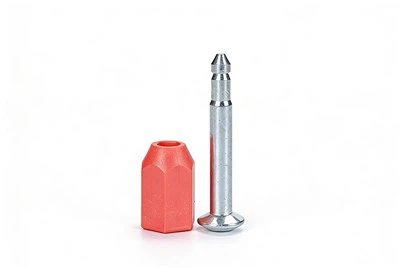


As an established supplier of electrical wire seals, I understand the paramount importance of ensuring a proper fit for these critical components. A well - fitting electrical wire seal not only guarantees the integrity of electrical connections but also enhances safety, prevents malfunctions, and extends the lifespan of the entire electrical system. In this blog, I will share some insights and practical tips on how to achieve a proper fit for an electrical wire seal.
Understanding the Basics of Electrical Wire Seals
Before delving into the fitting process, it's essential to have a basic understanding of what electrical wire seals are. Electrical wire seals are used to protect wire connections from environmental factors such as moisture, dust, and debris. They also prevent the wire from accidental disconnection and safeguard against electrical shorts.
There are different types of electrical wire seals available in the market, each designed for specific applications. For instance, the Cable Seal Lock is a popular option for high - security applications where it is crucial to prevent unauthorized access to the wire connections. On the other hand, Cable Seals for Containers are specifically engineered to withstand the harsh conditions inside shipping containers. And the Pull Tight Cable Seal is known for its ease of installation and reliable performance.
Selecting the Right Electrical Wire Seal
The first step in ensuring a proper fit is selecting the right type and size of the electrical wire seal. This selection depends on several factors:
Wire Size
The most fundamental consideration is the size of the wire. A seal that is too small won't fit over the wire, and forcing it can damage the wire insulation. Conversely, a seal that is too large will not provide a tight enough fit, leaving the wire exposed to environmental hazards. To determine the correct wire size, you need to measure the outer diameter of the wire, including its insulation. Most electrical wire seals are labeled with the range of wire sizes they can accommodate. Make sure to choose a seal that matches your wire's size precisely.
Application Environment
The environment where the wire seal will be used also plays a significant role. If the seal is for an outdoor application, it should be resistant to UV rays, extreme temperatures, and moisture. For industrial settings, the seal may need to withstand high levels of vibration, chemicals, or mechanical stress. Consider the specific conditions of your application and choose a seal with the appropriate material and design features.
Security Requirements
In some cases, security is a major concern. For example, in applications where the wire connections are in a public area or where there is a risk of tampering, you may need to choose a high - security seal like the Cable Seal Lock. These seals are designed to be tamper - evident, so any attempt to remove or manipulate the seal will be clearly visible.
Preparing the Wire and Seal
Once you have selected the appropriate electrical wire seal, the next step is to prepare both the wire and the seal for installation.
Cleaning the Wire
Before inserting the wire into the seal, it's crucial to clean the wire thoroughly. Use a clean, dry cloth to remove any dirt, grease, or debris from the surface of the wire. This will ensure a better fit and also prevent any contaminants from interfering with the seal's performance.
Inspecting the Seal
Inspect the seal carefully for any signs of damage or defects. Check the inside of the seal for smoothness and make sure there are no cracks or burrs. A damaged seal may not provide a proper fit or may fail prematurely.


Installing the Electrical Wire Seal
The installation process is critical for achieving a proper fit. Here are some general guidelines:
Insertion
Gently insert the wire into the seal. If the seal has a tapered end, start with the smaller end to guide the wire through. Do not force the wire; if it doesn't slide in easily, double - check the wire size and make sure the seal is the right one for your application.
Securing the Seal
Once the wire is fully inserted, depending on the type of seal, you may need to secure it further. For pull - tight seals, simply pull the cable until it is tight. For locks or other types of seals, follow the manufacturer's instructions for proper closure. Make sure the seal is firmly attached to the wire, but avoid over - tightening, which could damage the wire or the seal.
Testing the Fit
After installation, test the fit of the seal. Try to move the wire slightly within the seal. If the wire moves too freely, the seal may not be tight enough. On the other hand, if it's difficult to move the wire at all, it could be a sign of over - tightening. A proper fit should allow a minimal amount of movement while still maintaining a secure seal.
Maintaining the Electrical Wire Seal
Even after ensuring a proper fit during installation, ongoing maintenance is necessary to keep the seal in good condition.
Regular Inspections
Periodically inspect the wire seal for any signs of wear, damage, or loosening. Check for cracks, discoloration, or any visible gaps between the seal and the wire. If you notice any issues, replace the seal immediately to prevent further problems.
Environmental Protection
Continue to protect the wire seal from harsh environmental conditions. If possible, install additional shielding or protective covers to reduce the impact of UV rays, moisture, and other elements.
Conclusion
Ensuring a proper fit of an electrical wire seal is a multi - step process that starts with the right selection, followed by careful preparation, correct installation, and regular maintenance. As a supplier, I am committed to providing high - quality electrical wire seals and the necessary guidance to our customers. Whether you need a Cable Seal Lock for security - sensitive applications, Cable Seals for Containers for rugged environments, or a Pull Tight Cable Seal for easy installation, we have a solution for you.
If you are in the market for electrical wire seals and want to discuss your specific requirements, I encourage you to reach out to us for a detailed consultation. Our team of experts is ready to assist you in finding the perfect seal for your application and ensuring a proper fit.
References
- "Electrical Wiring Handbook", McGraw - Hill Professional
- "Handbook of Electrical Safety", Wiley