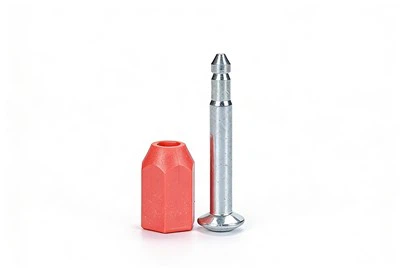


As a prominent supplier of Wire Seal Locks, understanding the technical aspects of our products is crucial. One of the most frequently asked questions we encounter is about the tensile strength of the wire in a wire seal lock. In this blog post, we will delve into what tensile strength means, how it relates to wire seal locks, and why it matters for our customers.
What is Tensile Strength?
Tensile strength is a fundamental concept in materials science and engineering. It refers to the maximum amount of tensile (pulling) stress that a material can withstand before it breaks or fails. In the context of a wire seal lock, the wire's tensile strength determines how much force can be applied to the wire before it snaps. This is measured in units of force per unit area, typically pounds per square inch (psi) or megapascals (MPa).
To put it simply, if a wire has a high tensile strength, it can resist a greater pulling force without breaking. This is important because wire seal locks are often used in applications where they need to withstand significant stress, such as securing shipping containers, trucks, or other high - security areas.
Factors Affecting the Tensile Strength of Wire in Wire Seal Locks
Several factors influence the tensile strength of the wire used in our wire seal locks.
Material Composition
The type of material used to make the wire is the most significant factor. Common materials for wire seal lock wires include steel, stainless steel, and aluminum. Steel wires generally have high tensile strength due to the presence of carbon and other alloying elements. Stainless steel, in addition to its high strength, offers corrosion resistance, making it suitable for outdoor or harsh environments. Aluminum wires, on the other hand, are lighter but have relatively lower tensile strength compared to steel.
Wire Diameter
The diameter of the wire also plays a crucial role. A thicker wire generally has a higher tensile strength than a thinner one of the same material. This is because a larger cross - sectional area can distribute the applied force over a greater area, reducing the stress on the wire. For example, a 3 - millimeter diameter steel wire will have a higher tensile strength than a 1 - millimeter diameter steel wire.
Manufacturing Process
The way the wire is manufactured can affect its tensile strength. Processes such as cold drawing can increase the strength of the wire by aligning the metal grains and increasing their density. Heat treatment can also be used to modify the properties of the wire, improving its strength and toughness.
Measuring the Tensile Strength of Wire in Wire Seal Locks
To determine the tensile strength of the wire in our wire seal locks, we use a tensile testing machine. This machine applies a gradually increasing pulling force to the wire until it breaks. During the test, the machine records the force applied and the corresponding elongation of the wire. The maximum force applied before the wire breaks is divided by the original cross - sectional area of the wire to calculate the tensile strength.


We conduct these tests regularly to ensure that our wire seal locks meet the required standards and specifications. By providing customers with accurate information about the tensile strength of our products, we help them make informed decisions based on their specific security needs.
Importance of Tensile Strength in Wire Seal Locks
The tensile strength of the wire in a wire seal lock is of utmost importance for several reasons.
Security
A wire seal lock with high tensile strength provides better security. It can resist attempts to break or tamper with the seal, whether through brute force or other means. For example, in the shipping industry, where containers are often transported over long distances and may be subject to rough handling, a high - strength wire seal lock can prevent unauthorized access and ensure the integrity of the cargo.
Durability
High - tensile - strength wires are more durable. They can withstand the normal wear and tear associated with regular use, as well as environmental factors such as vibration and temperature changes. This means that our wire seal locks will have a longer service life, reducing the need for frequent replacements and saving our customers money in the long run.
Our Product Range and Tensile Strength
At our company, we offer a wide range of wire seal locks with different tensile strengths to meet the diverse needs of our customers.
Our Cable Seals Steel Wire Seals are made from high - quality steel wires with excellent tensile strength. These seals are suitable for heavy - duty applications where maximum security is required, such as securing large shipping containers or industrial equipment.
Our Wire Security Seal products are available in various wire diameters and materials, allowing customers to choose the right seal based on their specific requirements. Whether you need a seal for a small package or a large - scale security installation, we have the right solution for you.
For customers who require the highest level of security, our Tamper Proof Wire Seals are the ideal choice. These seals are designed to resist tampering and have a high tensile strength to ensure that they cannot be easily broken.
Conclusion
In conclusion, the tensile strength of the wire in a wire seal lock is a critical factor that determines its security and durability. As a leading supplier of wire seal locks, we understand the importance of providing our customers with products that meet the highest standards of quality and performance. By carefully selecting the materials, controlling the manufacturing process, and conducting regular testing, we ensure that our wire seal locks have the appropriate tensile strength for their intended applications.
If you are in the market for high - quality wire seal locks, we invite you to contact us for a detailed discussion about your specific needs. Our team of experts is ready to assist you in choosing the right product and can provide you with all the technical information you need. We look forward to working with you to meet your security requirements.
References
- Callister, W. D., & Rethwisch, D. G. (2010). Materials Science and Engineering: An Introduction. Wiley.
- ASM Handbook Committee. (1990). ASM Handbook: Properties and Selection: Irons, Steels, and High - Performance Alloys. ASM International.