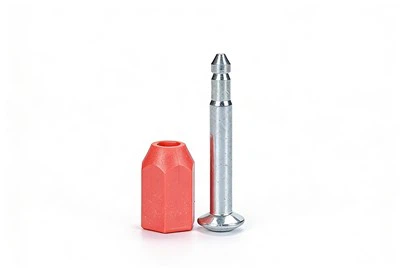


Cable seal locks are essential security devices used in various industries to protect valuable assets and ensure the integrity of shipments. As a leading supplier of cable seal locks, I often get asked about the materials used in their construction. In this blog post, I'll delve into the different materials commonly used to make cable seal locks, their properties, and the advantages they offer.
Steel
Steel is one of the most popular materials for cable seal locks due to its strength, durability, and resistance to corrosion. High - quality steel cables can withstand significant pulling forces, making them ideal for applications where security is of utmost importance.
Stainless steel, in particular, is a top choice. It contains chromium, which forms a passive oxide layer on the surface of the steel. This layer protects the steel from rust and corrosion, even in harsh environmental conditions such as high humidity or exposure to chemicals. For example, in the shipping industry, where cargo is often exposed to saltwater during ocean voyages, stainless - steel cable seal locks are highly reliable.
The strength of steel cable seal locks also makes them tamper - resistant. It is extremely difficult to cut through a steel cable without the proper tools, which deters unauthorized access. Our Wire Cable Seals made of steel are designed to provide long - lasting security for your valuable items.
Aluminum
Aluminum is another material used in cable seal locks. It is lightweight, which is a significant advantage in applications where weight is a concern, such as in the aerospace or automotive industries. Despite its light weight, aluminum can still offer a reasonable level of strength.
Aluminum is also corrosion - resistant. It forms a thin oxide layer on its surface when exposed to air, which protects it from further oxidation. This makes aluminum cable seal locks suitable for outdoor use, where they may be exposed to the elements.
However, compared to steel, aluminum is not as strong. It may be more susceptible to cutting or bending if a determined individual tries to tamper with the seal. But for applications where the threat of tampering is relatively low, aluminum cable seal locks can be a cost - effective solution. Our Wire Seals made of aluminum are a great option for those looking for a lightweight and affordable security solution.
Plastic
Plastic is a versatile material used in many types of cable seal locks. There are different types of plastics, each with its own set of properties.
Polycarbonate is a popular plastic used in cable seal locks. It is strong, impact - resistant, and transparent in some cases. The transparency can be an advantage as it allows for easy visual inspection of the seal. Polycarbonate can also withstand a wide range of temperatures, making it suitable for use in different environments.
PVC (Polyvinyl Chloride) is another commonly used plastic. It is relatively inexpensive and has good chemical resistance. PVC cable seal locks are often used in low - security applications, such as in the packaging industry to seal boxes or bags.
Plastic cable seal locks are generally easy to use and install. They can be molded into various shapes and sizes, allowing for customization. However, they are not as strong as steel or aluminum, and may be more easily tampered with. Our Tamper Proof Wire Seals made of high - quality plastic offer a good balance between security and cost - effectiveness for certain applications.
Brass
Brass is an alloy of copper and zinc. It has a distinctive golden color and offers several advantages for cable seal locks. Brass is corrosion - resistant, especially in indoor environments. It is also relatively easy to machine, which allows for the production of intricate designs.
Brass cable seal locks have a certain aesthetic appeal, which can be important in some applications where the appearance of the seal matters. In addition, brass has good electrical conductivity, which can be useful in applications where electrical grounding or signal transmission is required.
However, brass is not as strong as steel. It may be more prone to scratching and denting, which could potentially affect its security. But for applications where the main concern is not high - level security but rather a combination of functionality and appearance, brass cable seal locks can be a great choice.
Composite Materials
Composite materials are made by combining two or more different materials to create a material with enhanced properties. In the case of cable seal locks, composite materials can offer the best of both worlds.
For example, a composite cable seal lock may combine a steel core for strength with a plastic outer layer for corrosion resistance and ease of handling. This type of design can provide high - level security while also being more user - friendly.
Composite materials can be tailored to meet specific requirements. They can be designed to have a specific level of strength, flexibility, and durability, depending on the application. As technology advances, we are seeing more and more cable seal locks made from composite materials, which are becoming increasingly popular in various industries.
Choosing the Right Material
When choosing a cable seal lock, it's important to consider the specific requirements of your application. If high - level security is your top priority, steel or a composite material with a strong core may be the best choice. For applications where weight is a concern, aluminum or plastic may be more suitable.
The environment in which the cable seal lock will be used is also an important factor. If the seal will be exposed to harsh chemicals or saltwater, materials like stainless steel or certain plastics with good chemical resistance are recommended.
Cost is another consideration. While steel and brass may be more expensive, they offer long - term durability and high - level security. Plastic and aluminum are generally more affordable, making them a good option for low - security or cost - sensitive applications.
Conclusion
In conclusion, cable seal locks can be made from a variety of materials, each with its own unique properties and advantages. As a supplier of cable seal locks, we offer a wide range of products made from different materials to meet the diverse needs of our customers.
Whether you need a high - security steel cable seal lock for protecting valuable shipments or a lightweight aluminum seal for an automotive application, we have the right solution for you. Our Wire Cable Seals, Wire Seals, and Tamper Proof Wire Seals are designed to provide reliable security and peace of mind.


If you're interested in learning more about our cable seal locks or would like to discuss your specific requirements, please don't hesitate to contact us. We're here to help you find the best cable seal lock solution for your needs.
References
- "Materials Science and Engineering: An Introduction" by William D. Callister Jr. and David G. Rethwisch
- Industry reports on security devices and materials used in their construction.